
Where to Start When Finishing a Basement
A Dream Custom Carpentry Blog
Finishing a basement often starts with excitement, then quickly turns into uncertainty. Many homeowners know they want more usable space, but they are unsure what the first real step should be.
The best way to start is not with materials or finishes. It begins with understanding the space you already have and how it can realistically be used.
Start By Understanding the Basement, Not the Design
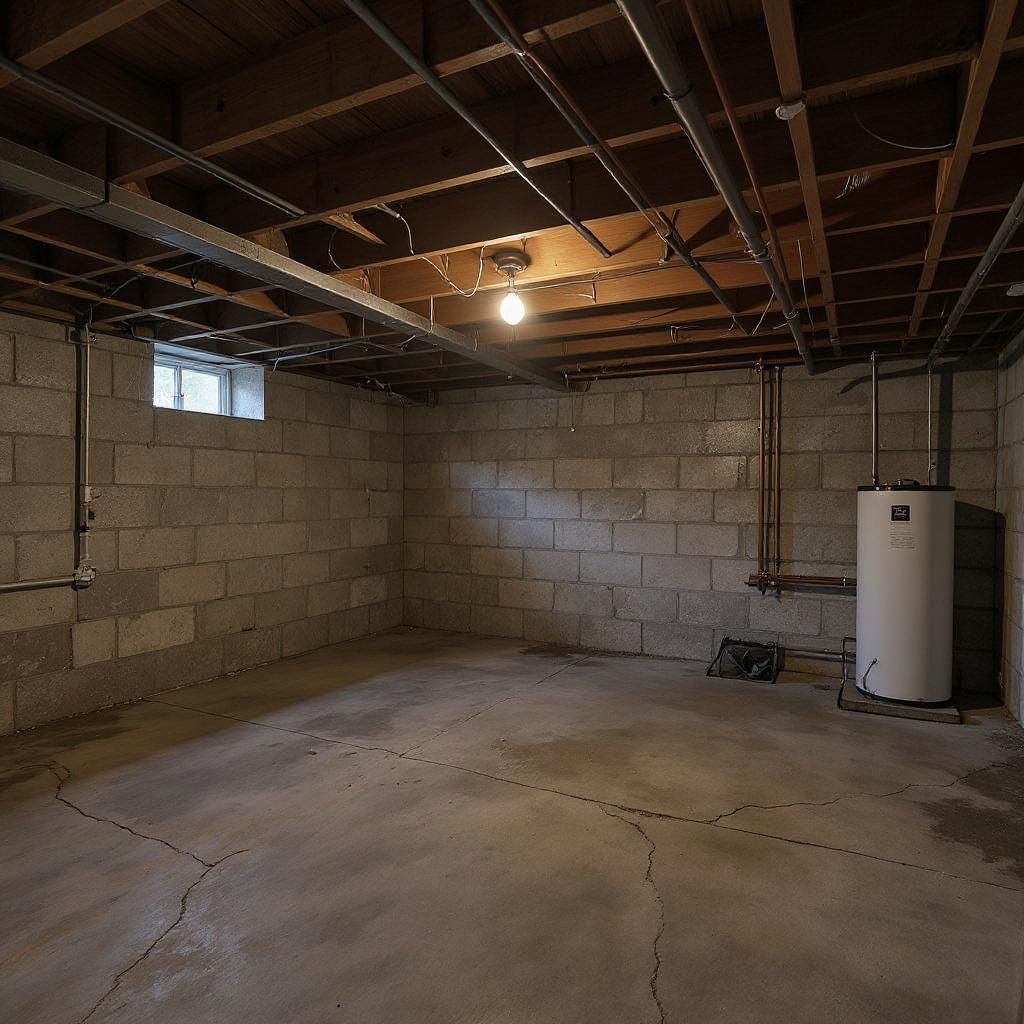
Before thinking about walls or flooring, it helps to spend time in the basement as it is. Walk through the space and notice what stands out. Some basements feel open but have low areas. Others feel dark even during the day. Some have wide layouts that look simple, but become complex once rooms are added.
This step helps answer an important question early: What does the basement allow, and what does it limit? Starting here prevents plans that look good on paper but don’t work in real life.
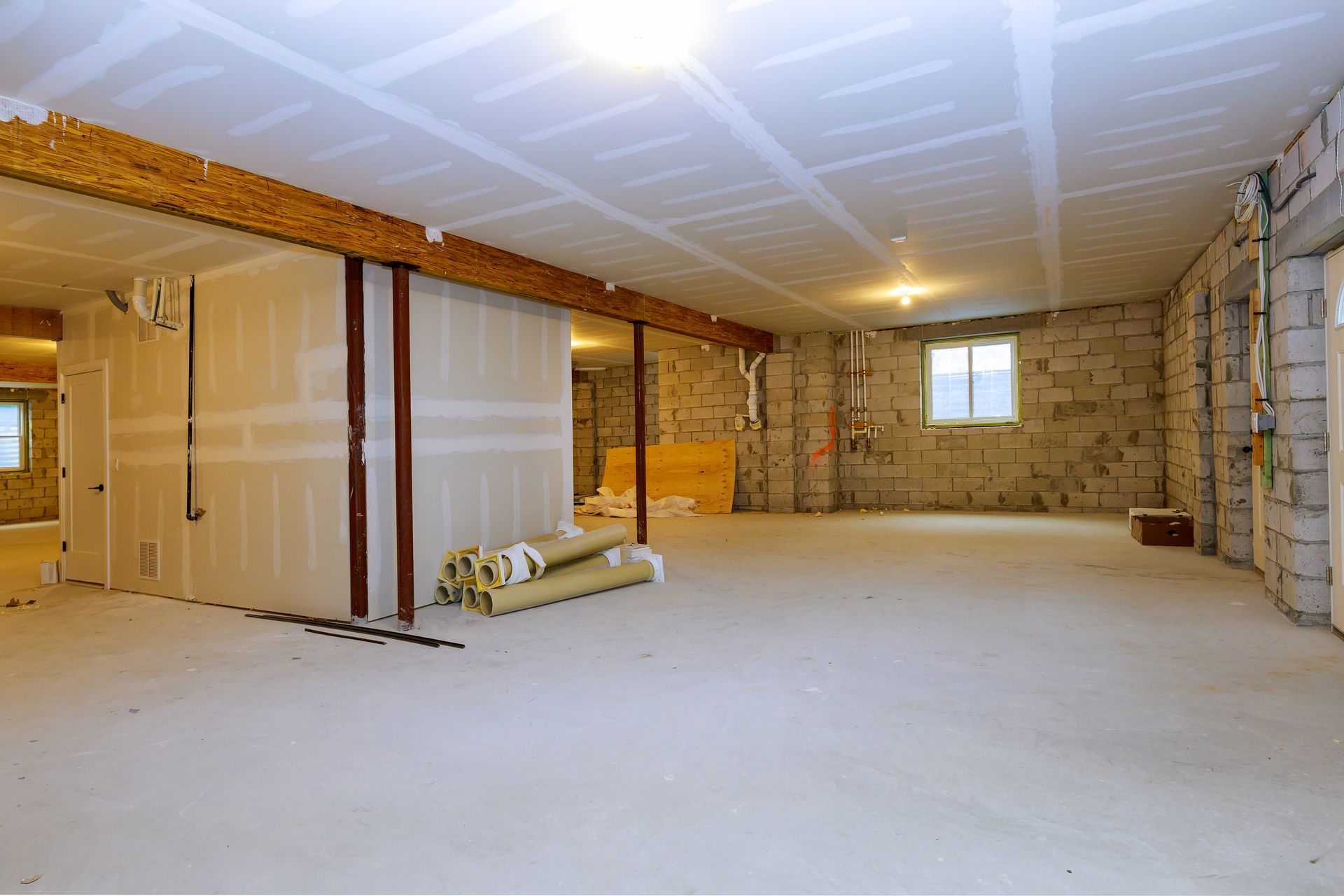
Identify What Must Stay Where It Is
Every basement has fixed elements that cannot be moved easily. These items often shape the entire project.
Common fixed elements include:
- Stairs
- Support posts
- Mechanical systems
- Electrical panels
Instead of working around these later, it helps to accept them early. Once these areas are clearly understood, the rest of the
basement becomes easier to plan. Ignoring this step often leads to layouts that need to be reworked halfway through the project.
Think in Zones, Not Rooms
A common mistake is trying to design full rooms too early. A better place to start is by thinking in zones.
For example:
- Quiet areas versus active areas
- Open gathering space versus private space
- Storage zones versus living zones
Zoning helps the basement feel balanced. It also makes it easier to adjust the layout without starting over.
Rooms come later. Flow comes first.
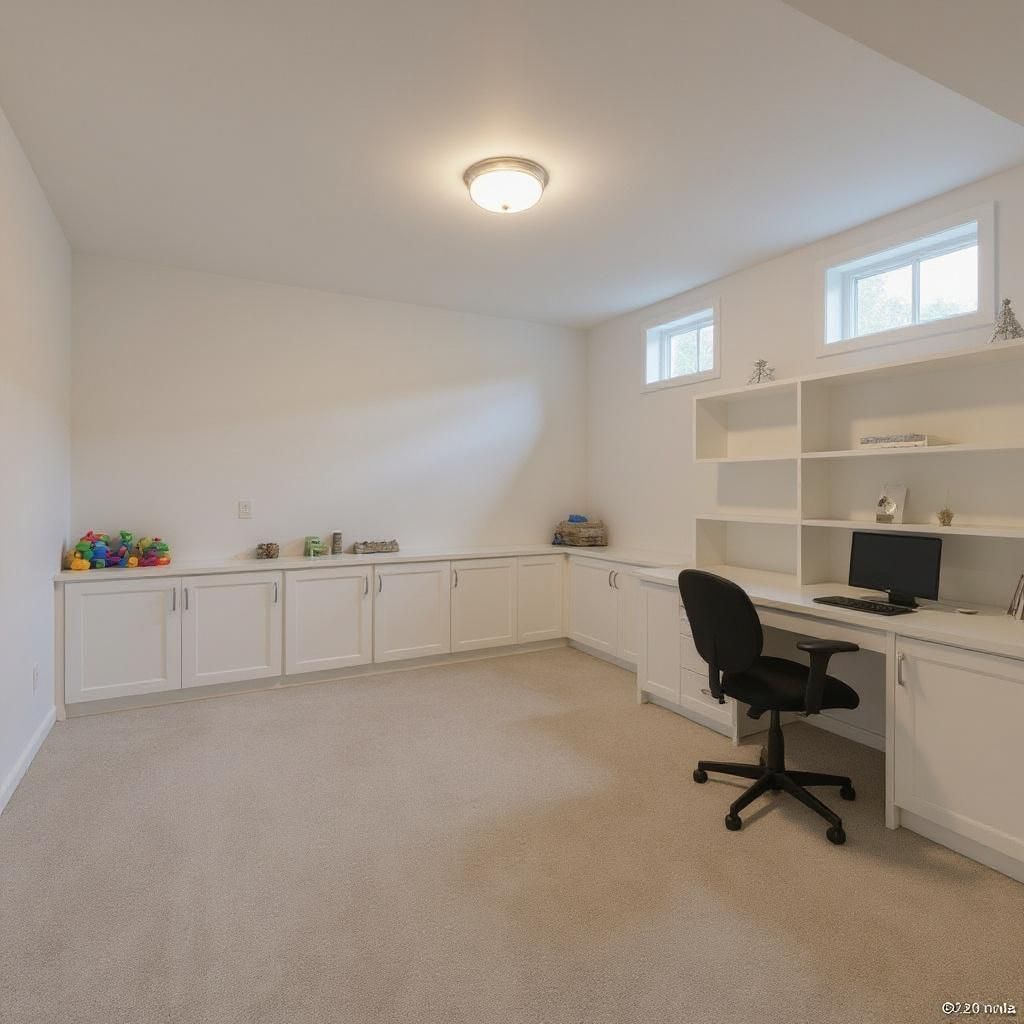
Consider How the Basement Will Be Used Day to Day
A finished basement should work well in daily life, not just look good when finished.
It helps to think about:
- How people will enter and leave the space
- How often the space will be used
- Whether the basement will be used all at once or in smaller sections
This kind of thinking helps avoid designs that feel awkward once the space is in use.
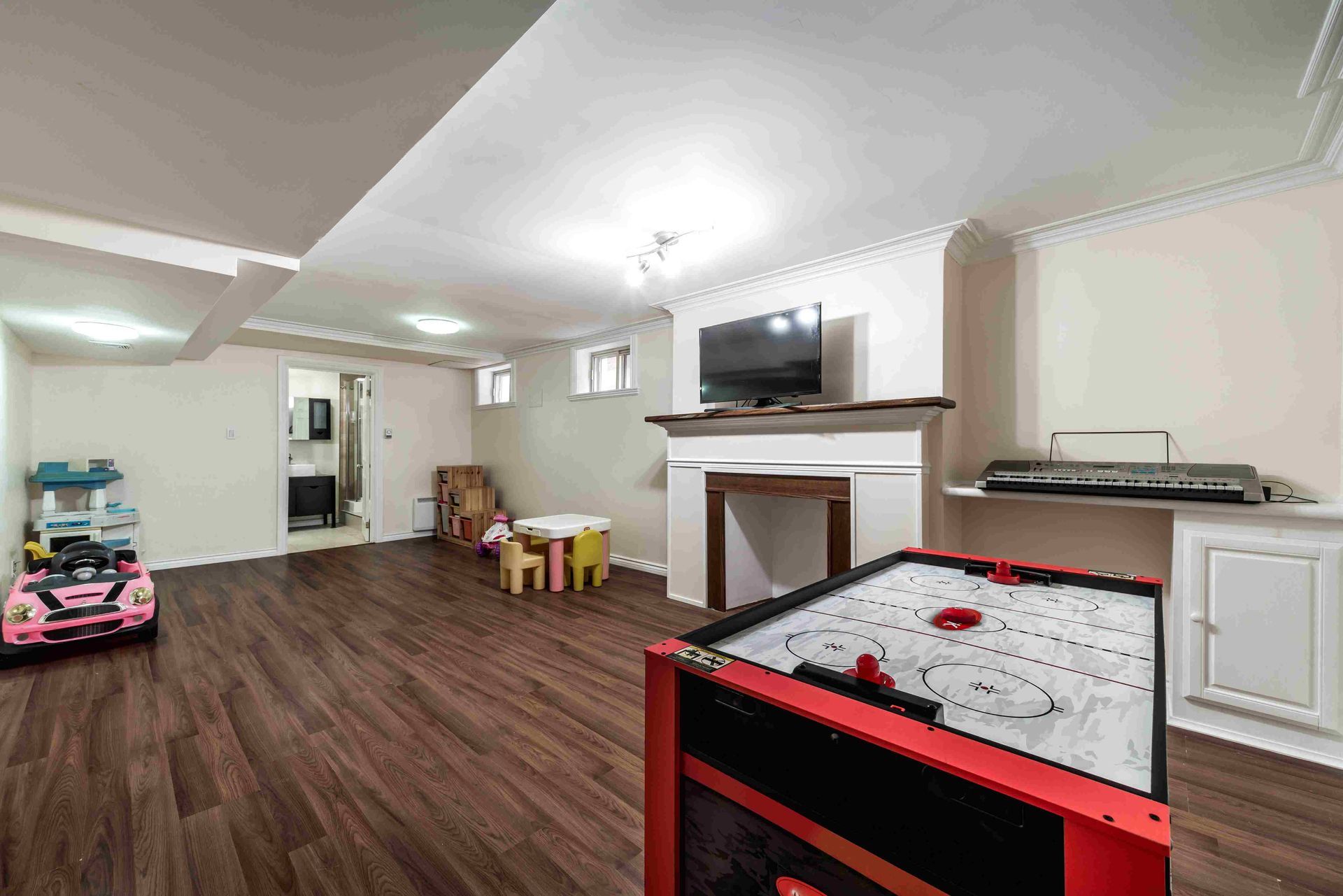
Decide What Matters Most in the Space
Not every basement can do everything. Some need to be flexible. Others need to serve one main purpose well.
This is the point where priorities matter. For some homeowners, open space matters more than storage. For others, privacy matters more than size.
Knowing what matters most helps guide every decision that follows and prevents regret later.
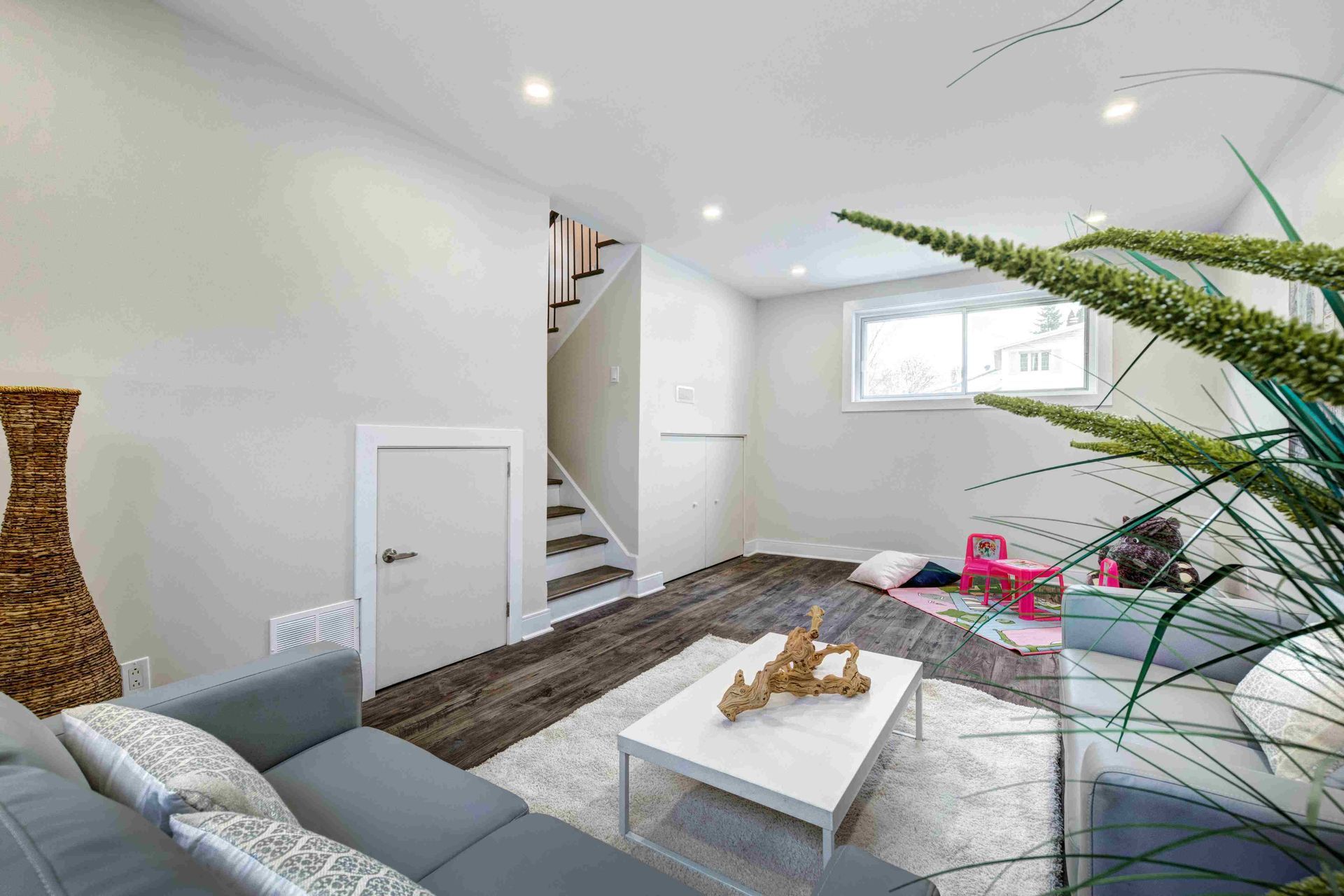
Pause Before Moving Forward
Once the layout, limits, and priorities are clear, it’s important to pause before starting construction.
This pause allows time to:
- Review the plan with fresh eyes
- Spot issues early
- Make small changes that prevent larger problems later
Starting too fast often creates pressure that leads to rushed decisions.
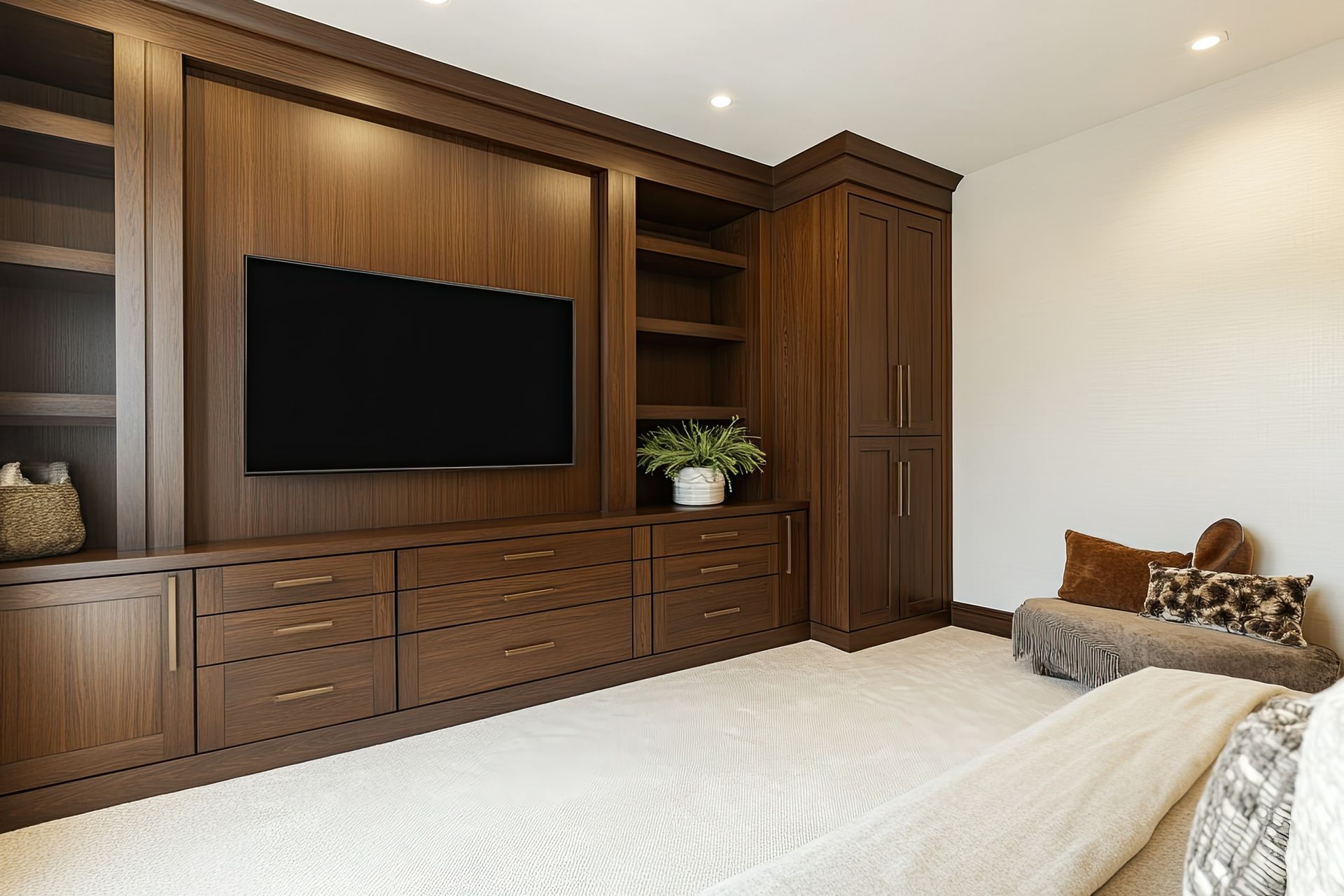
Knowing where to start when finishing a basement is about understanding the space before changing it. By learning the limits, identifying fixed elements, and thinking through how the space will actually be used, the rest of the process becomes clearer.
A strong start leads to fewer changes, better flow, and a finished basement that works well long after the project is complete.
DO YOU NEED a Basement Remodeler?

FREE No Obligation Estimate
Let us know what you're working on! We'll get you a quote right away.