
Common Mistakes to Avoid When Finishing Your Basement
A Dream Custom Carpentry Blog
Knowing the most common basement finishing mistakes can help avoid layout issues, moisture problems, and
costly changes down the road.
Skipping a Clear Plan
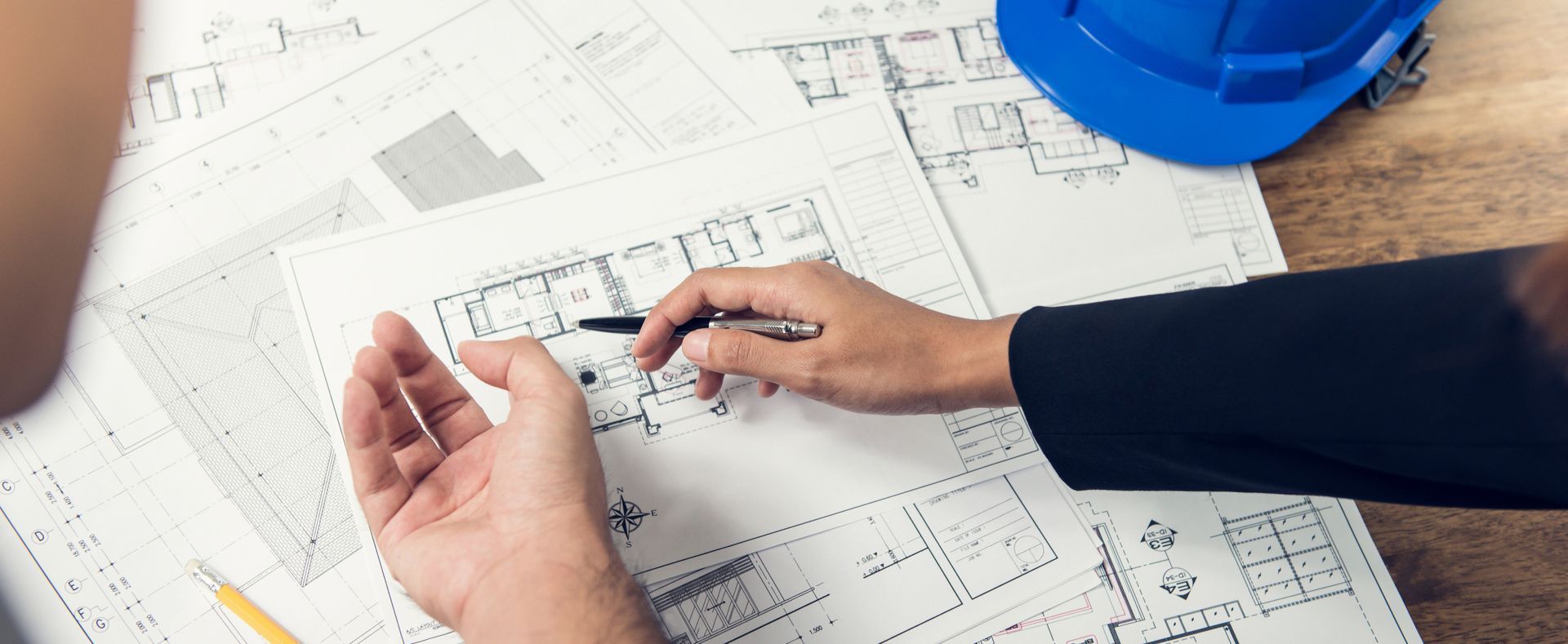
One of the biggest mistakes is starting work without a full plan. This can lead to changes mid-project, which often cost more and delay progress.
A clear plan should include:
- How the space will be used
- Room layout and wall locations
- Storage needs
- Lighting placement
Planning first helps the basement function better once it’s finished.

Ignoring Ceiling Height Limits

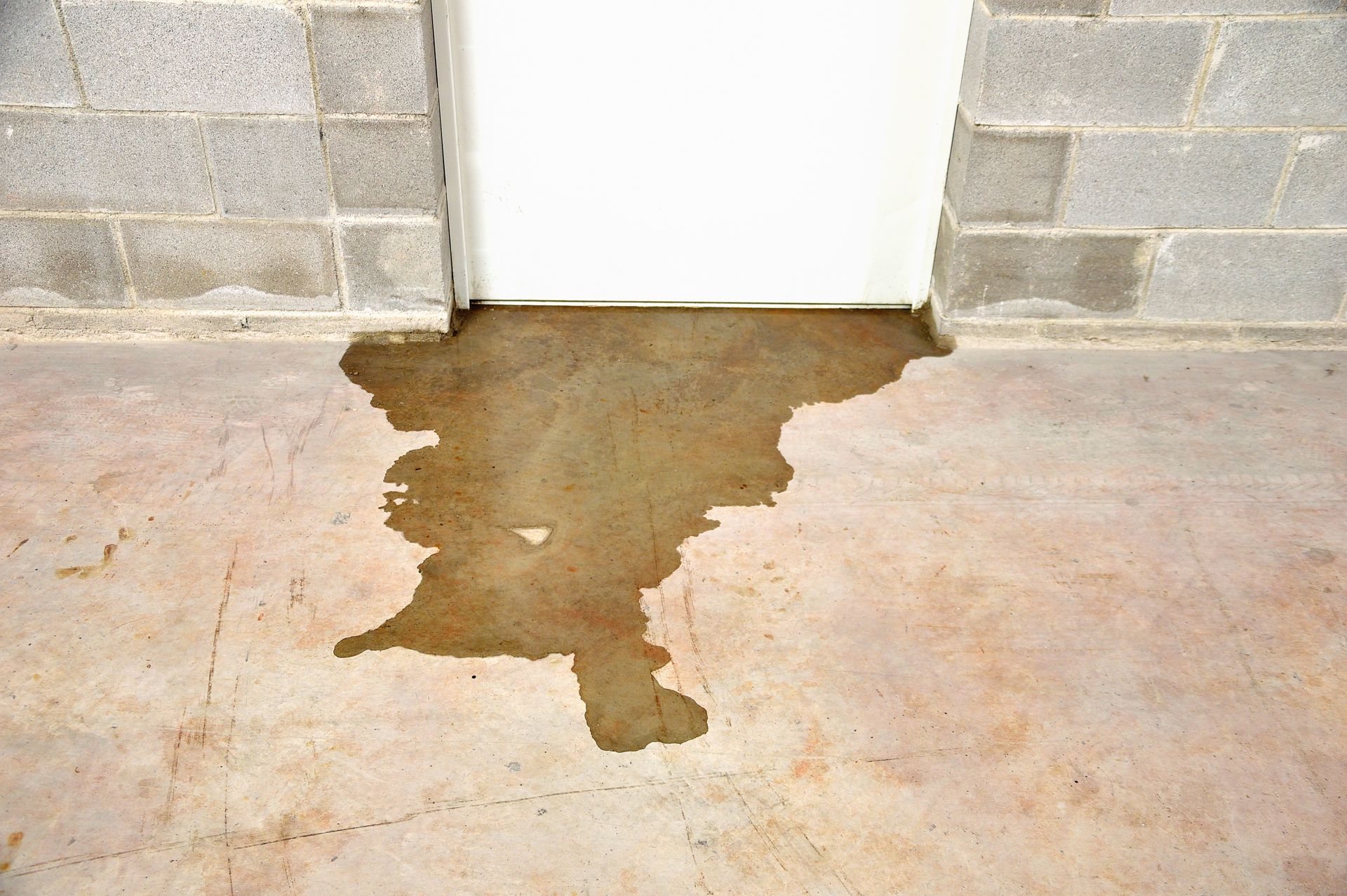
Poor Moisture Control
Basements are more likely to have moisture issues than other parts of the home. Ignoring this can lead to damage over time.
Common moisture-related mistakes include:
- Skipping proper insulation
- Blocking airflow
- Using materials that don’t handle moisture well
Moisture planning helps protect finished walls, flooring, and storage areas.
Not Planning for Storage
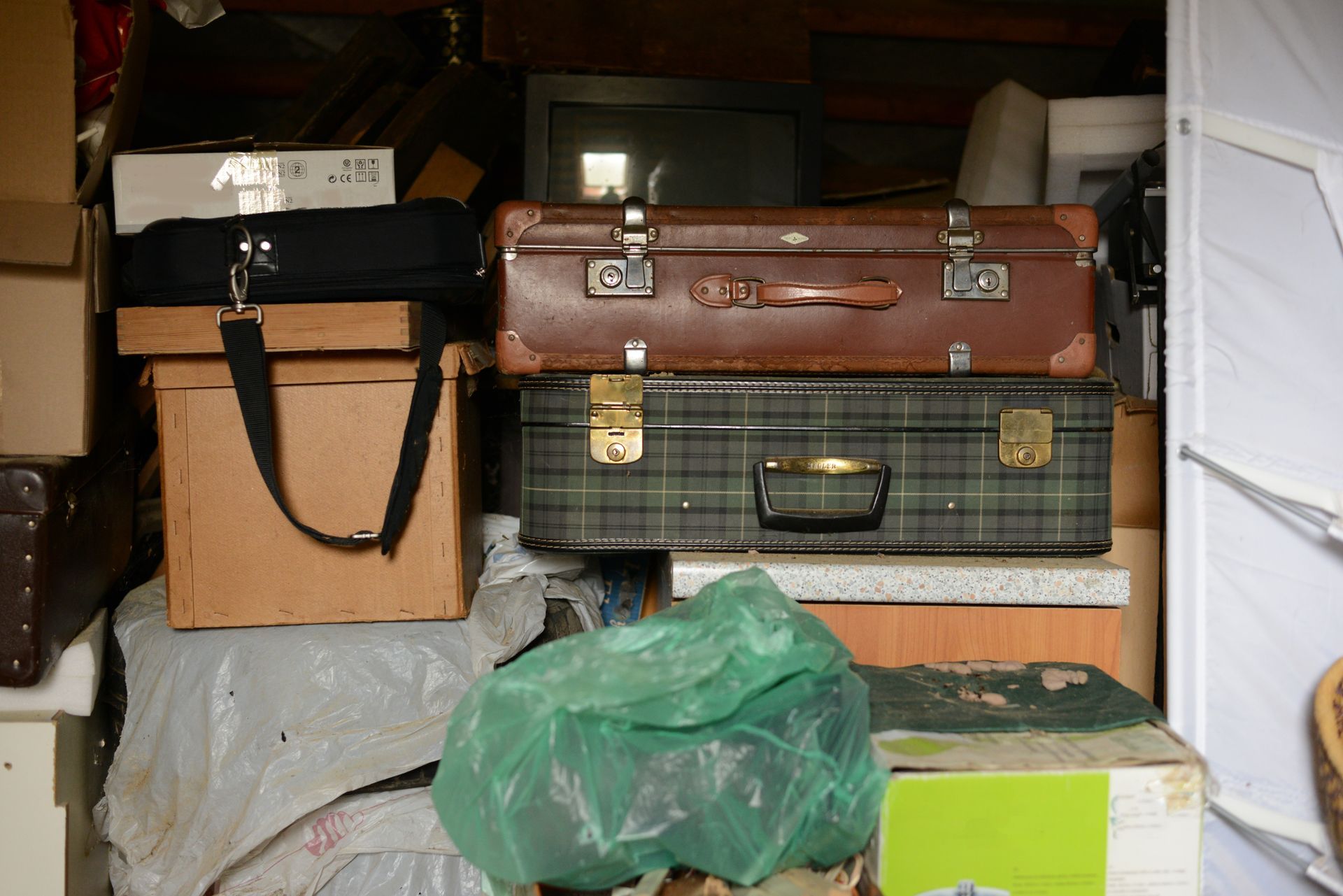
Storage is often added as an afterthought. This can lead to cluttered rooms and wasted space.
Common storage mistakes include:
- Relying only on furniture for storage
- Leaving awkward areas unused
- Skipping closets or built-ins
Built-in storage works best when planned as part of the layout.
Overlooking Lighting Needs
Basements usually have limited natural light. Relying on one or two fixtures can make the space feel dark.
Better lighting plans include:
- Multiple light sources
- Task lighting for work areas
- Even light coverage across rooms
Good lighting makes basements feel more comfortable and inviting.

Poor Room Layout Choices
Some basement layouts look good on paper but don’t work well in daily use. Tight hallways, blocked walkways, or awkward room sizes can cause frustration.
Common layout issues include:
- Placing rooms without considering traffic flow
- Blocking access to utility areas
- Oversizing one room at the cost of others
Layouts should balance function, movement, and access.
Forgetting About Utility Access
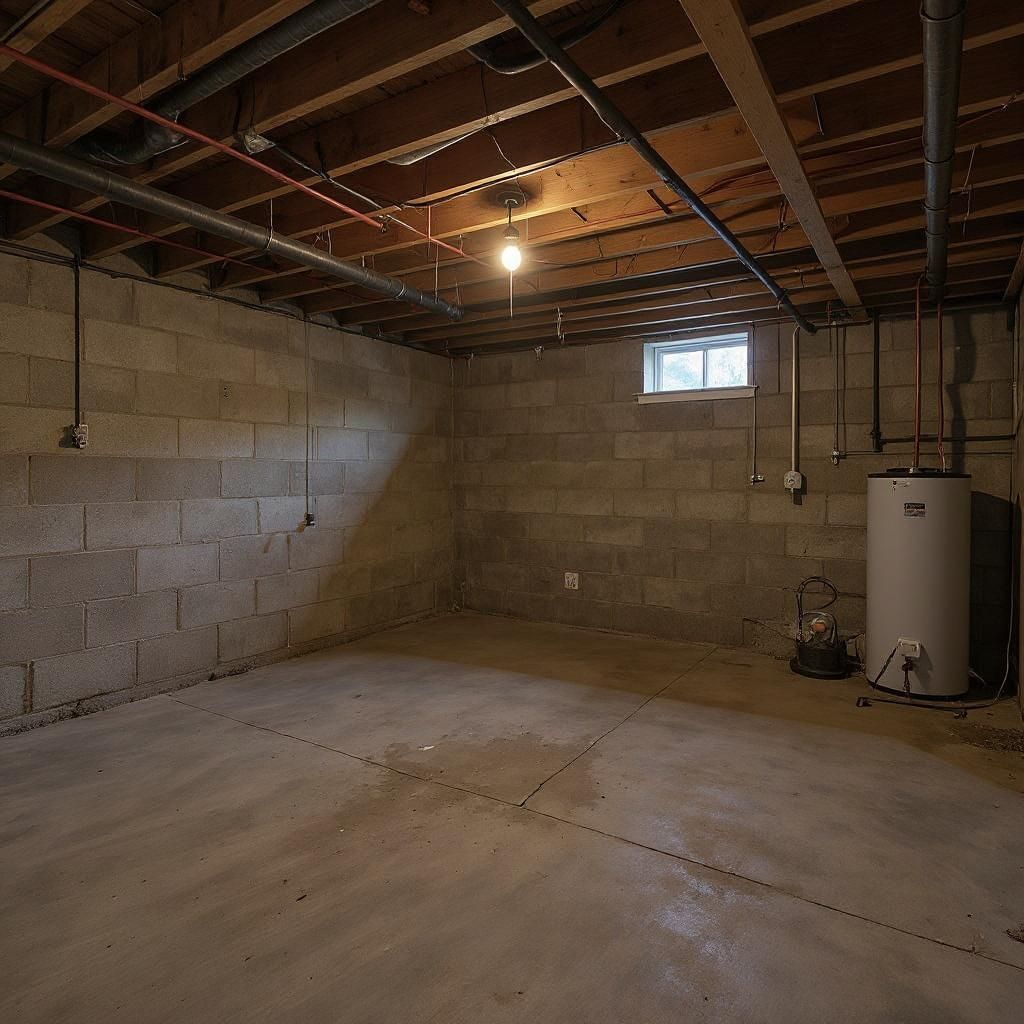
Basements often contain mechanical systems like furnaces, water heaters, or electrical panels. Blocking access to these systems can create problems later.
Mistakes include:
- Building walls too close to equipment
- Hiding access points
- Making repairs harder than needed
Utility areas should remain easy to reach after finishing.
Rushing Design Decisions
Quick choices can lead to long-term regret. This includes flooring, trim, storage, and room finishes.
Rushed decisions often cause:
- Mismatched materials
- Poor durability
- A space that doesn’t age well
Taking time during planning helps avoid changes later.

Not Thinking Long Term
Some basements are finished only for current needs. Over time, families grow and needs change.
Planning for flexibility helps:
- Spaces adapt to new uses
- Storage grows with the household
- Layouts stay functional longer
Flexible design makes finished basements more useful over time.
Final Thoughts
Most basement finishing mistakes come from a lack of planning, not poor intentions. Paying attention to layout, moisture, lighting, storage, and access helps avoid common problems.
A well-planned basement feels comfortable, works better day to day, and holds up over time.
DO YOU NEED a Finishing/Remodeling Contractor?

FREE No Obligation Estimate
Let us know what you're working on! We'll get you a quote right away.